
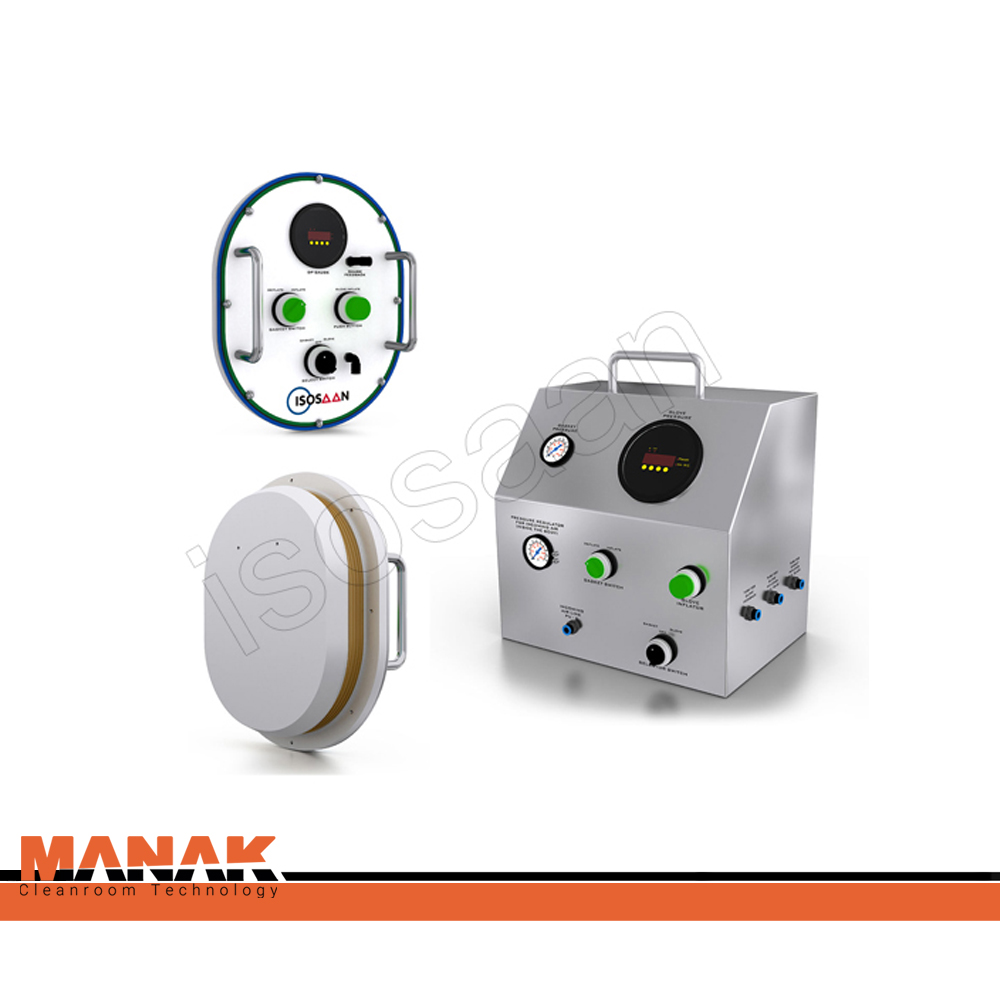
Description
Manak Pharmed – Exclusive Representative of ISOSAAN (India)
Supplier of Pharmaceutical Isolator Systems
Pharmaceutical Isolator Systems
Types of Pharmaceutical Isolators
- Pharmaceutical Filling Isolators:
Used for the preparation and filling of injectable drugs, preventing the entry of particles and microorganisms into the process. - Sterility Testing Isolators:
Designed for the production of injectable and biological products that require a sterile environment. - Compounding Isolators:
Used for the preparation and formulation of pharmaceutical products. - Hazardous Drug Isolators (Chemotherapy, Cytotoxic Agents):
Enclosed pharmaceutical isolators designed to minimize operator exposure to hazardous materials. - Biological Product Isolators:
Used when working with live cells or specific proteins that must not be released into the external environment. - IPQC Isolators:
Used for testing and analysis of potent and high-risk products or materials.
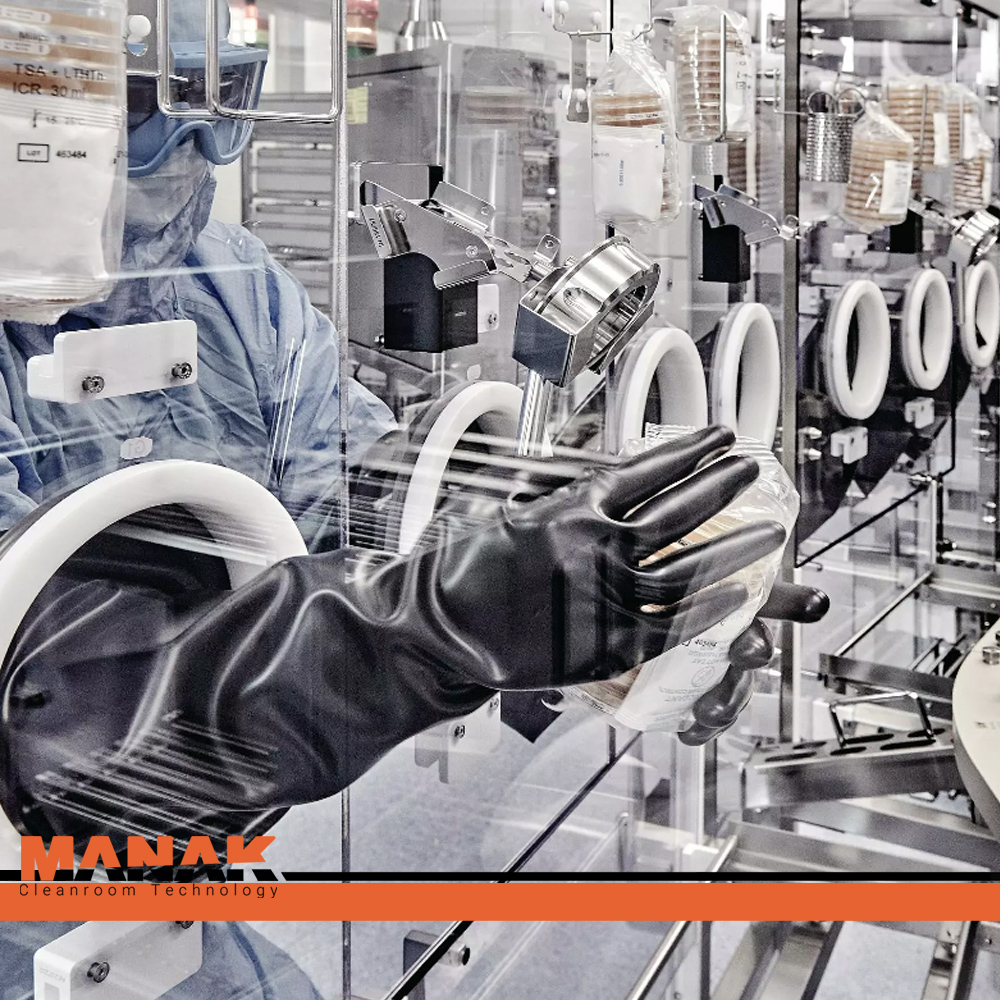
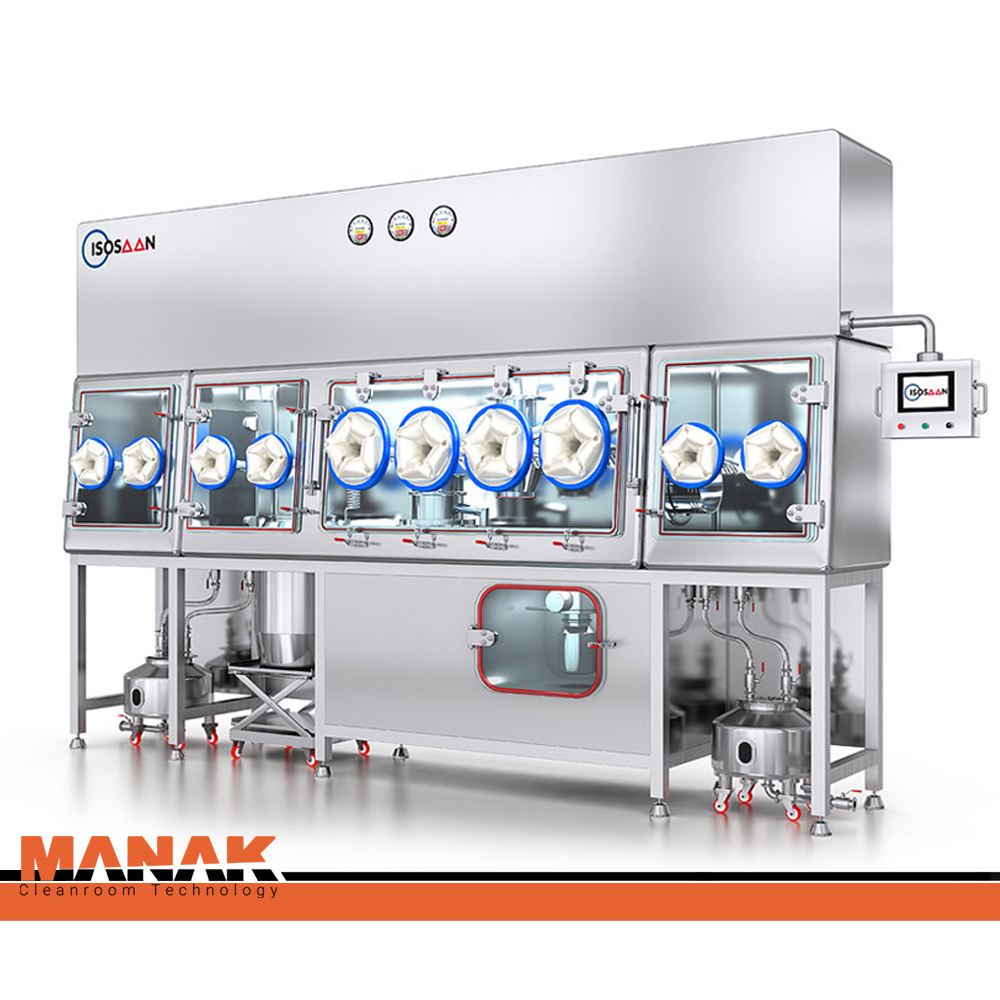
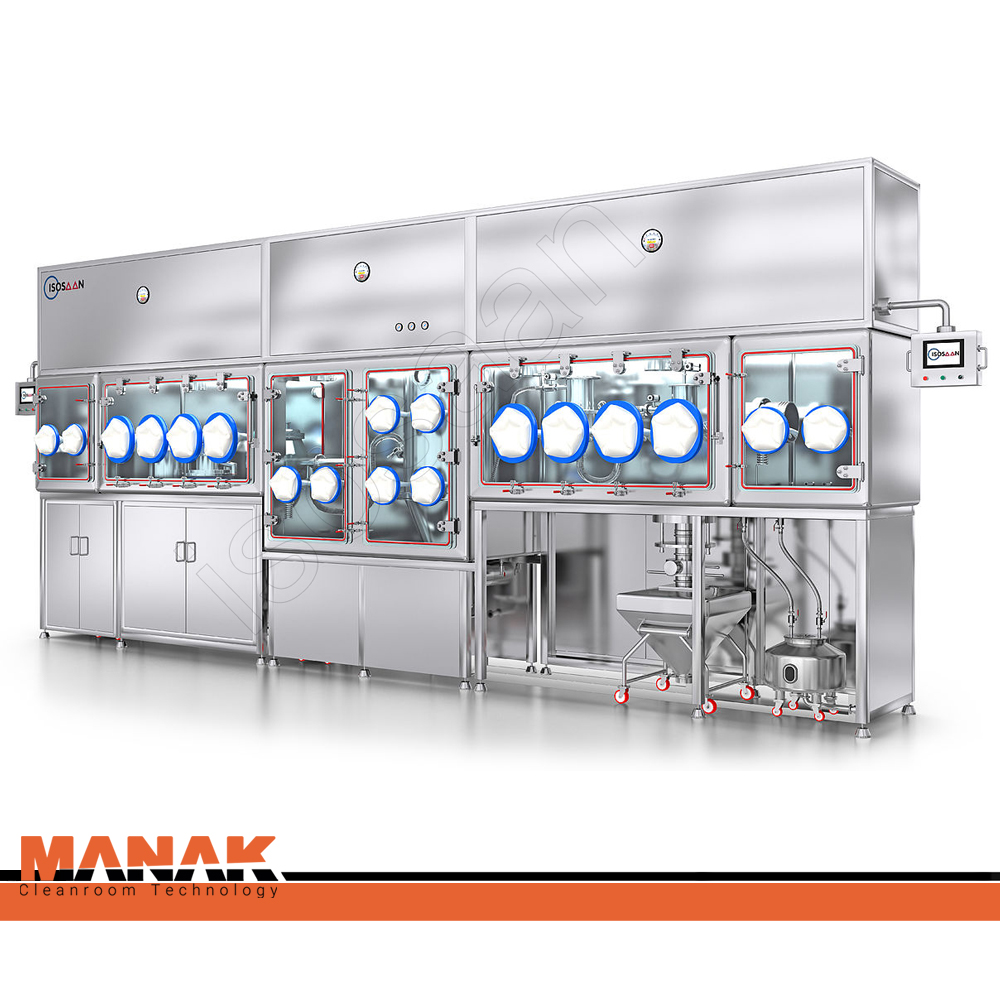
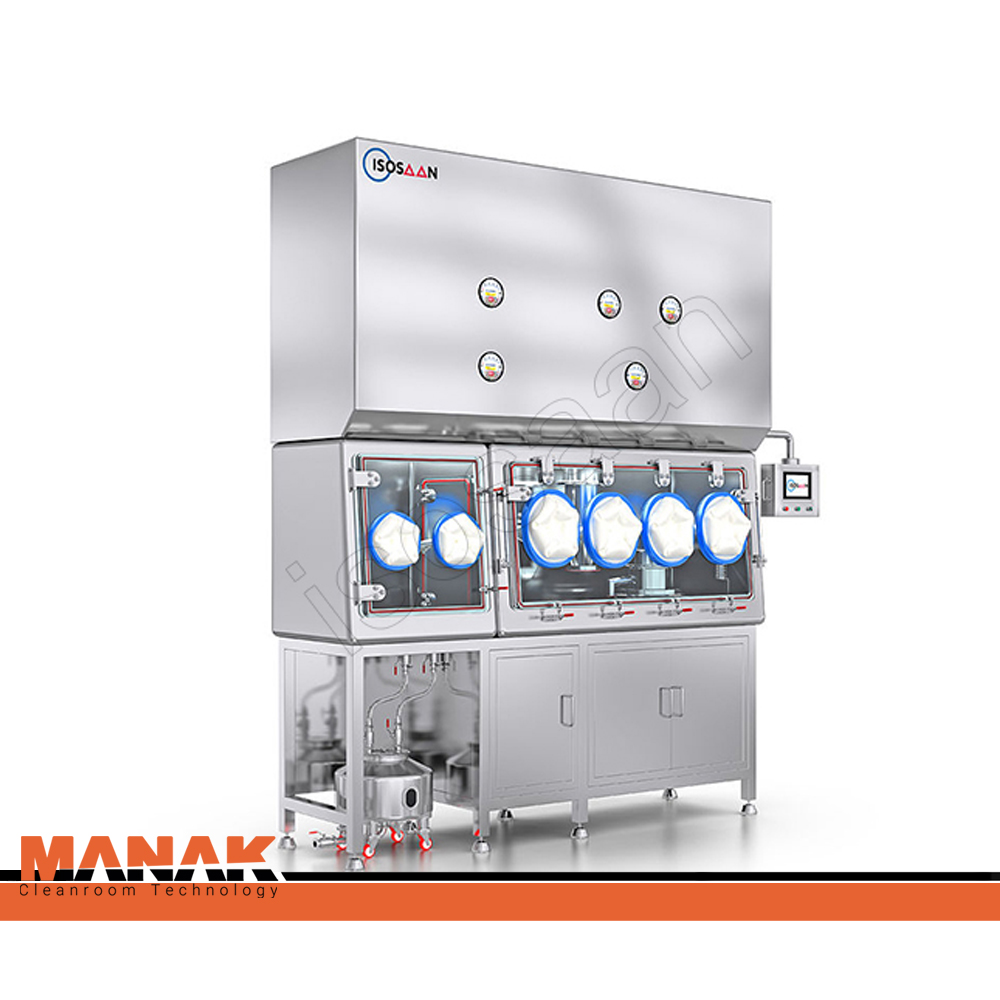
Pharmaceutical Isolator Machine
Manak Pharmed, the exclusive representative of Iso Saan (India), is a trusted supplier of pharmaceutical isolators.
What is an Isolator?
The term Isolator refers to a wide range of equipment used to carry out sensitive and high-risk pharmaceutical processes in a sterile, enclosed environment.
Some isolators are designed primarily for containment of hazardous materials (sterile or non-sterile), while others aim to create a microbiologically controlled environment for aseptic operations.
Today, isolator technology is widely applied in aseptic processing across the pharmaceutical industry.
Pharmaceutical Isolator
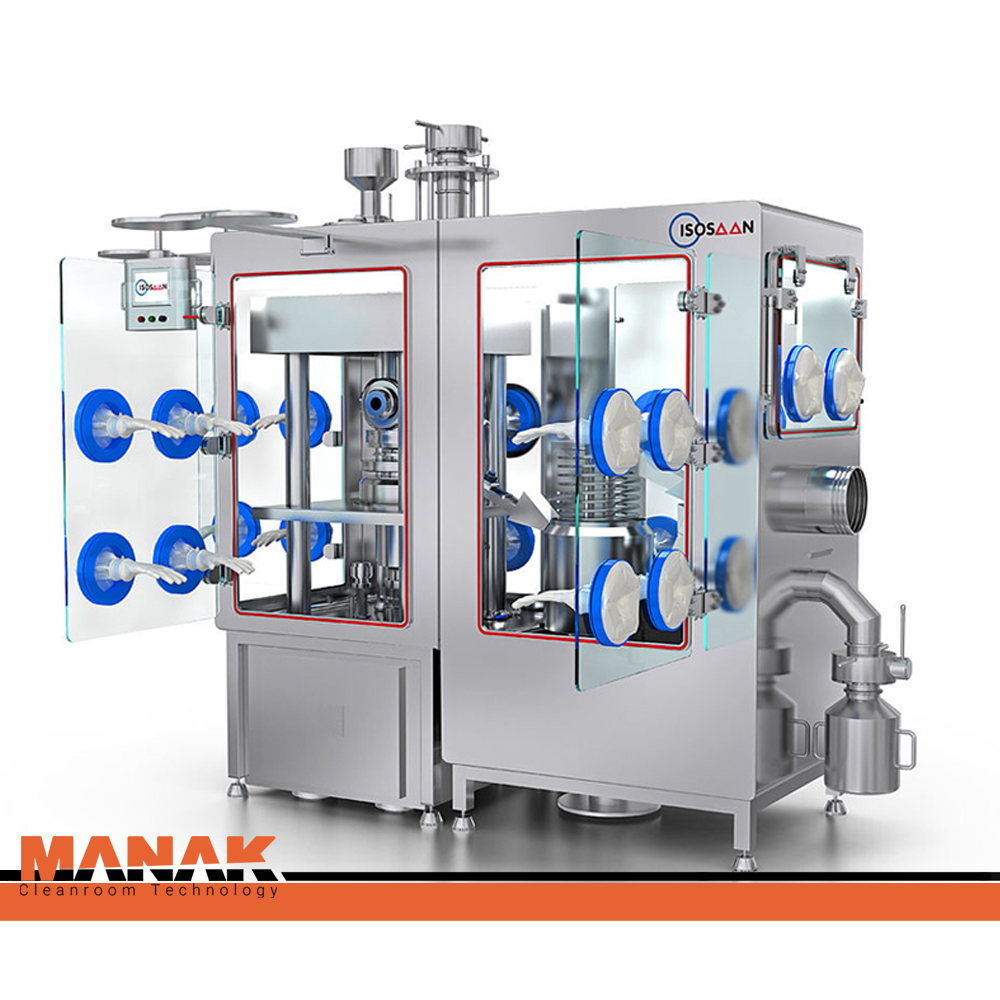
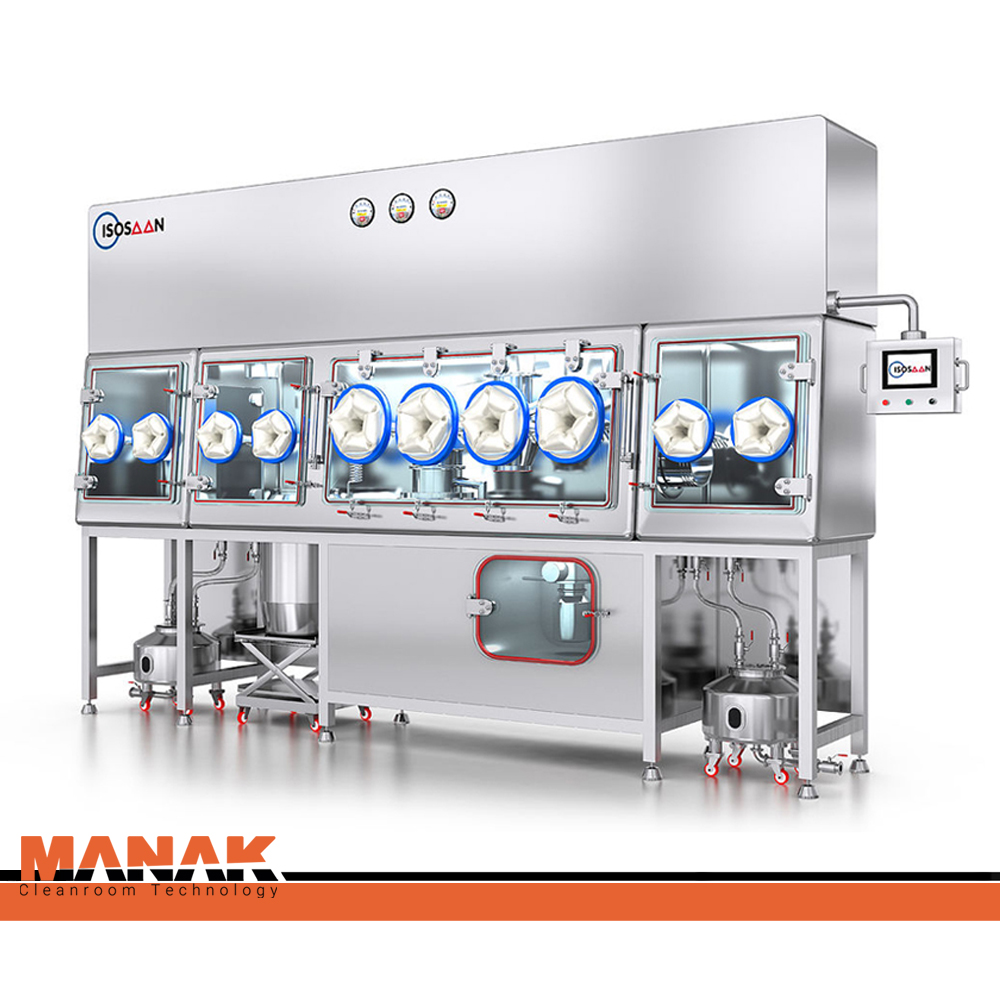
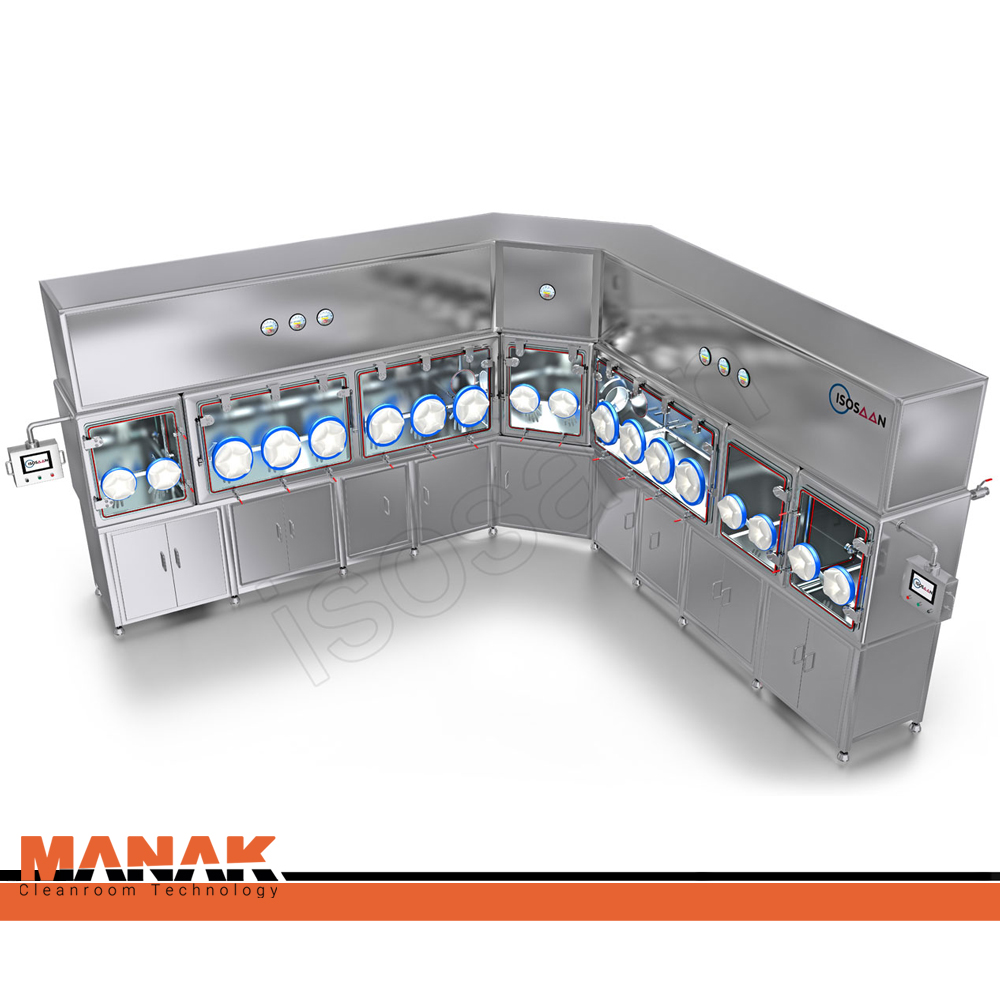
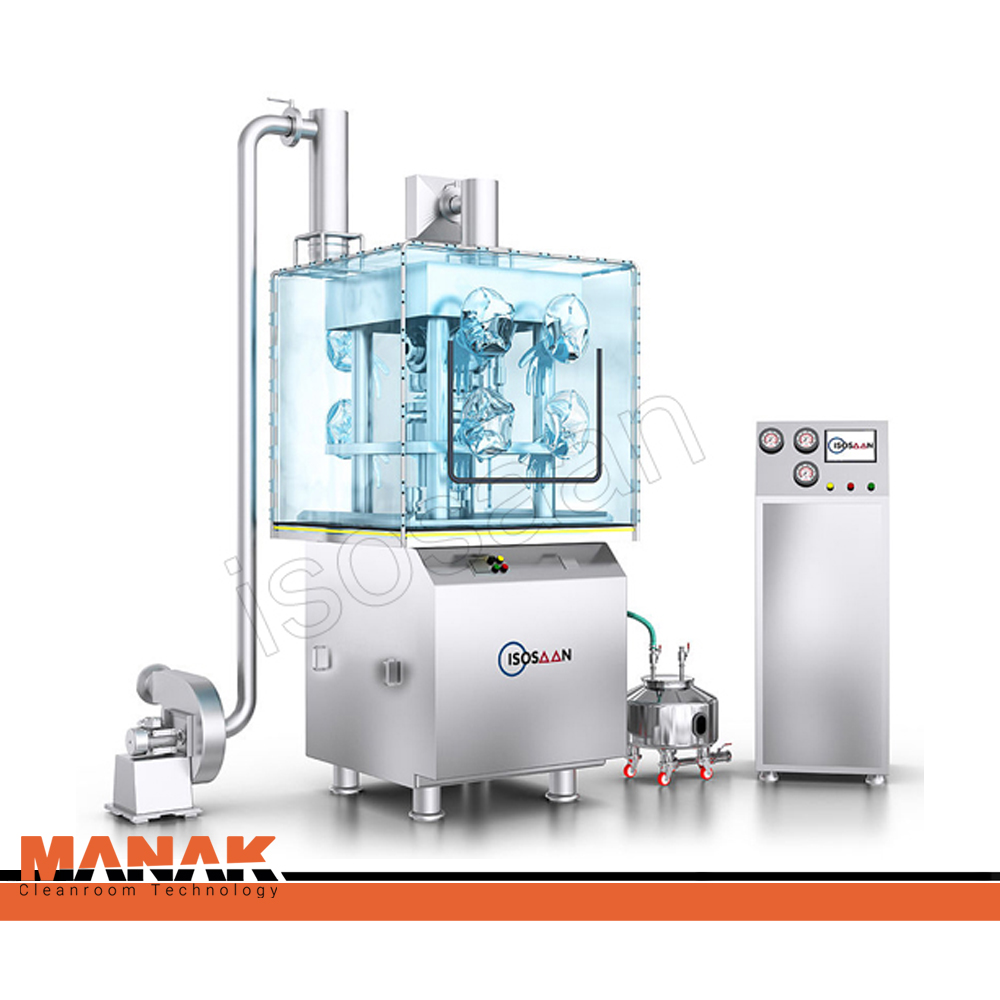
A Pharmaceutical Isolator is a closed and sealed chamber that provides a physical and aerodynamic barrier to protect both the operator and the external environment from toxic substances and microbial contamination — while also preventing contamination of pharmaceutical products.
All required operations can be performed inside the isolator chamber without compromising process integrity.
In other words, a pharmaceutical isolator is a controlled and enclosed environment designed to prevent cross-contamination between pharmaceutical products and the surrounding environment or operator. These systems are commonly used in pharmaceutical, biotechnology, and hospital settings.
Using isolator systems enhances control over production conditions, ensuring product protection, sterility maintenance, and operator safety when handling hazardous materials.
Containment isolators typically operate under negative internal pressure, while isolators used in aseptic processing maintain positive pressure.
Large-scale isolators may feature a mousehole (transfer port) for continuous transfer of packaged products, while others remain completely sealed during production.
The sealed capability allows isolators to support controlled atmospheres such as anaerobic conditions.
Although isolators offer a high degree of sterility, they are not completely airtight — material transfer requires brief access, during which HEPA-filtered air is continuously supplied to maintain aseptic conditions.
Key Features of Pharmaceutical Isolators
Isolated environment: Equipped with dedicated air handling and HEPA filters to provide clean, particle-free air.
Contamination control: Prevents the entry of external contaminants and the escape of hazardous substances (e.g., cytotoxic drugs).
Closed-system design: Includes gloveboxes and contact-free material transfer systems.
Types of Pharmaceutical Isolators (by Application)
Filling Isolators: Used for aseptic filling of injectable drugs, preventing entry of particles and microorganisms.
Sterility Testing Isolators: Designed for sterility testing during the production of injectable and biological products requiring sterile conditions.
Compounding Isolators: Used for preparation and compounding of pharmaceutical formulations.
Hazardous Drug Isolators (Chemotherapy, Cytotoxic Agents): Protect operators from exposure to toxic or potent materials.
Biological Product Isolators: Used when working with live cells or sensitive proteins that must not escape to the external environment.
IPQC Isolators: Applied for in-process quality control, testing, and analysis of potent or high-risk materials.
Types of Pharmaceutical Isolators (by Pressure Differential)
Positive-Pressure Isolators (PPI): Designed to protect the product from environmental contamination (used in sterile drug manufacturing).
Negative-Pressure Isolators (NPI): Designed to protect the operator and environment from exposure to hazardous substances (e.g., cytotoxic drugs).
Open vs. Closed Isolators
Closed Isolator
A closed isolator is defined as a fully sealed system that prevents any external contamination by transferring materials through sterile connections to auxiliary equipment without any direct openings to the external environment.
Main Characteristics:
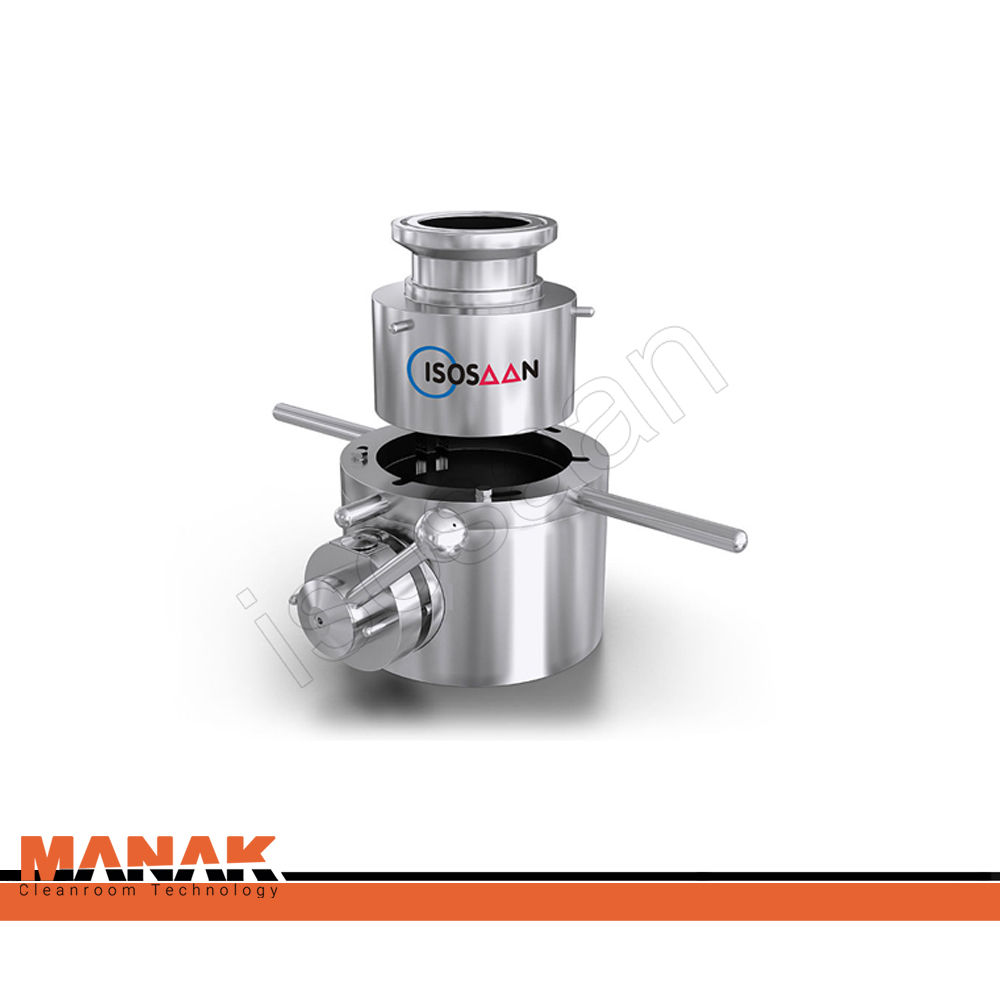
No direct openings: Material transfer occurs only via rapid transfer ports (RTPs) or leak-proof connections.
Maintains sterile internal conditions: Typically operates at Grade A (ISO Class 5) air cleanliness.
Background environment: Can be installed in Grade D areas, reducing the need for complex ventilation or monitoring systems.
In short, a closed isolator functions as a fully contained system that completely prevents external contamination.
Open Isolator
An open isolator provides a different approach to separating sterile environments from external contaminants.
These isolators allow continuous or semi-continuous material transfer through one or more engineered openings designed to maintain positive pressure and minimize contamination risk.
Main Characteristics:
Controlled openings: Use of ports such as mouseholes for continuous or semi-continuous transfer while maintaining positive pressure.
Maintains Grade A environment: Internal sterility is preserved, but installation usually requires a Grade C background.
Supports continuous operations: Ideal for processes requiring ongoing material flow, such as vial or syringe filling lines.
Engineering challenges: Must be precisely designed to prevent the ingress of contaminants despite open transfer points.
Reviews
There are no reviews yet.